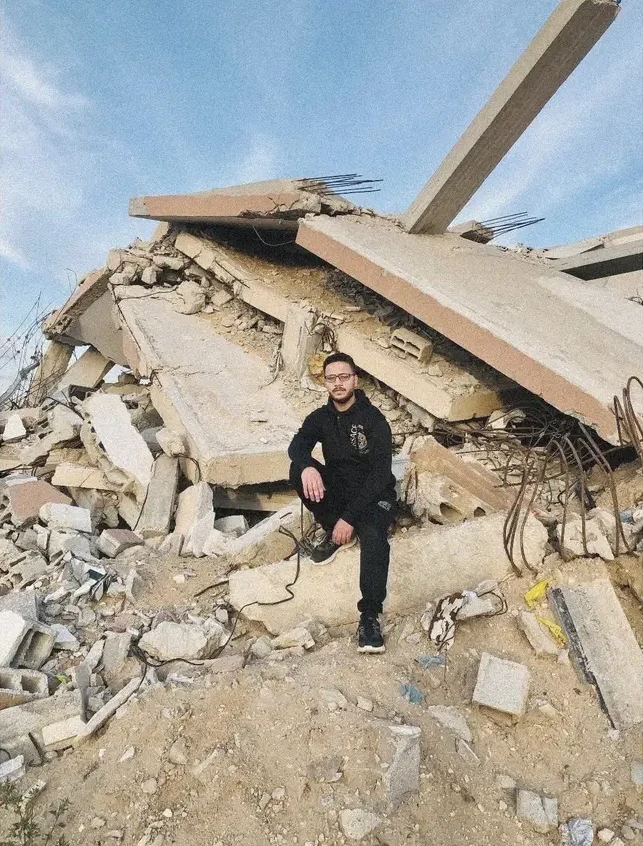
Hamza's story, in his own words
Everything in quotes is Hamza's, word for word. He answered Sam's questions, and nothing has been edited, polished or added.
“I am 22 years old, and all I wish for is a peaceful life. I just want one good day.”
Sam's intro
مقدمة سام
I met Hamza through Instagram one year ago. Since then, I have been deeply inspired by him every single day. He writes nearly daily about his life and reflections of living in Gaza, about the heartache, the challenges, and desire for dignity, all while praising Allah and finding any shreds of hope he can, such as gathering donations to help his little sister celebrate passing her high school exams with a few candies. I am deeply amazed by Hamza, and feel so proud to consider him like a little brother.
Before this ongoing genocide, Hamza was an accounting student. He had been at university for one month. One month of a dream in motion, and then October 7, 2023.
When I asked him if I could share his story, this is what he wrote back:
“Brother, thank you so much for asking me this. Yes, I would absolutely be interested in sharing my story with you. If telling my story can help people understand what my family and I have been through, and can bring more support to us, then I am ready to tell you everything honestly.”
Part one: Before
الجزء الأول: ما قبل
Who are you? Tell me about your life before October 2023.
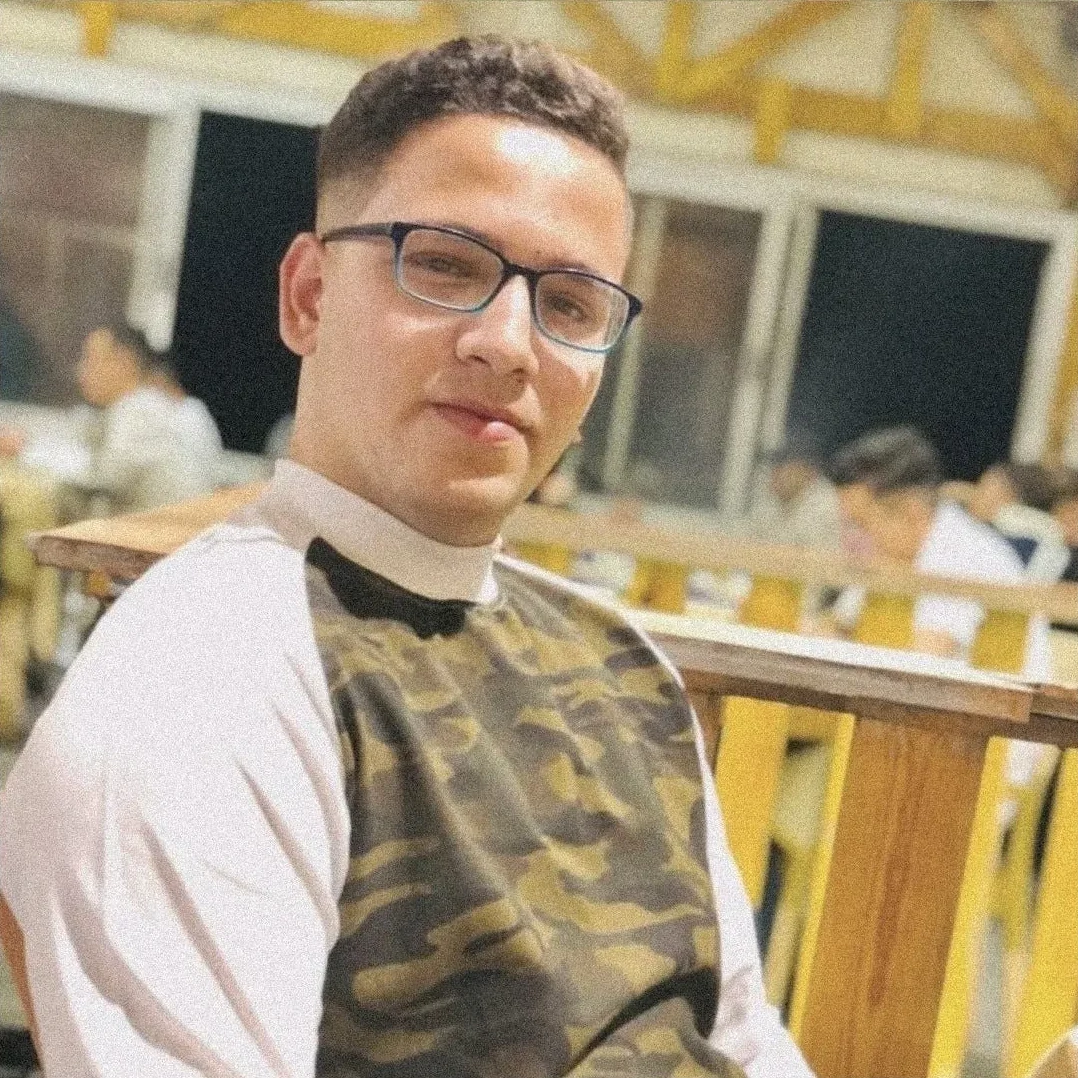
“My name is Hamza. I am from Gaza, specifically from the central Gaza Strip. Before the war, I lived with my family in Al-Bureij refugee camp. A few months before the war began, I finished high school. I was so happy because I had finally completed high school, and I started university studying Accounting. I had only been at university for about a month when everything changed.”
What is a happy memory from your life before the war? What was life like in Al-Bureij, and what did you and your friends do together?
“Before the war, life was simple and beautiful. I would go to school in the morning because I was in high school. When I came home, I would rest, have lunch, and then see what the family needed from the market and go get it. Under our home, my father and uncles had a small poultry shop, and I would sometimes help them there. In the afternoon, I would go out with my friends and play football. I loved football, and it was one of the things that made me happiest.
Around sunset, I would return home and spend time with my uncles and their children. We would sit together, talk, laugh, and enjoy each other’s company. We did this almost every day. We did not have a perfect or luxurious life, but it was a beautiful and simple one, full of family, friends, laughter, and ordinary days that I never imagined would one day become some of the most precious memories of my life.”
Why did you choose to study accounting?
“I chose accounting because I have always liked things that require focus, organization, accuracy, and responsibility. I felt that accounting was an important field that could give me a path toward a better future. I also grew up watching my father and uncles work in the poultry business, and I would sometimes help them. That taught me the meaning of responsibility and hard work. I felt that accounting suited me because it combines numbers, organization, and responsibility.
Before the war, I was studying and imagining a normal future: graduating, finding a job, helping my family, and building a stable life. I never imagined that all of those plans could suddenly be interrupted by war. Even after everything that happened, I still want to finish studying accounting. For me, completing my education is not just about getting a degree. It is part of the future I dreamed about before the war changed everything.”
Who is in your family, and what was your relationship with your family and relatives like before the war?
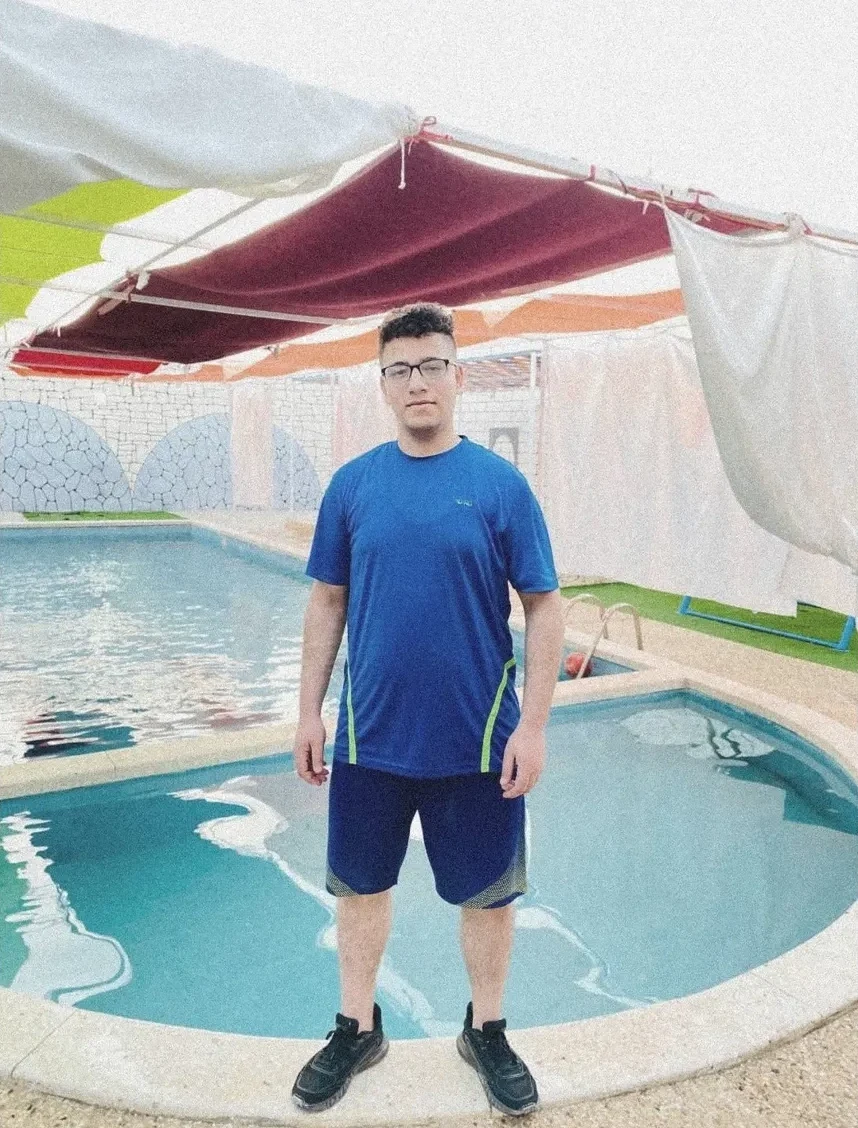
“Right now, I live with my father, my mother, and my seven siblings: four boys and three girls. One of my brothers is married and lives in a tent next to our home in the camp with his three daughters.
My relationship with my family and relatives has always been extremely strong. We were a very close and united family. Most of our extended family lived together in the same residential building, which had eight floors.
We were always together. We would visit each other, sit together, talk, laugh, and share our daily lives. The children played together, and the adults were always close to one another. It felt less like living in separate homes and more like living as one big family.
That is one of the reasons losing family members and losing that way of life has been so painful for me. That building was not just a place where we lived. It held our memories, our childhood, our gatherings, and so many ordinary moments that I now miss deeply.”
Part two: What happened
الجزء الثاني: ما حدث
What happened to your family and relatives after the war began?
“The war began on October 7, 2023. At first, we stayed for about two months in the residential building where most of my extended family lived in Al-Bureij refugee camp.
Then the bombing in the camp became much more intense and indiscriminate. We were ordered to evacuate, so my immediate family and I had to leave. Some of my uncles and their children and daughters could not or would not leave.
A few days later, we learned that the building had been bombed. We went back to try to recover our relatives. We managed to recover around 20 people, but what we found were often fragments of bodies: children, girls, young people, and elderly people from our family.
We buried those we were able to recover, but around ten members of my family are still believed to be under the rubble because we do not have the equipment needed to reach them.
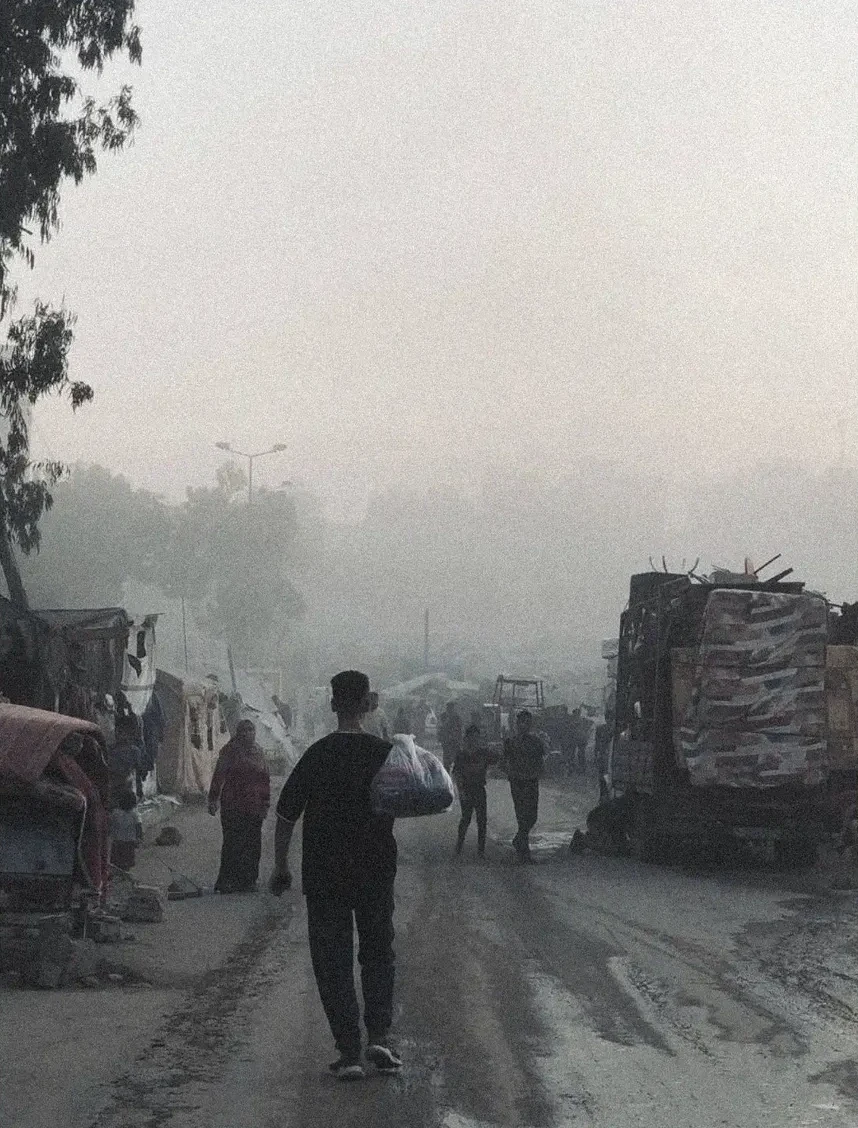
Since then, our lives have been a series of displacement and uncertainty. We moved to Al-Mawasi in Khan Younis and stayed there for about a year. Then we were displaced again to the European Hospital in Rafah, where we put up tents inside the hospital grounds. After that, we moved to Nuseirat refugee camp and lived in another tent.
For a long time, we never knew where we would be the next day. We were simply trying to survive and protect what remained of our family.
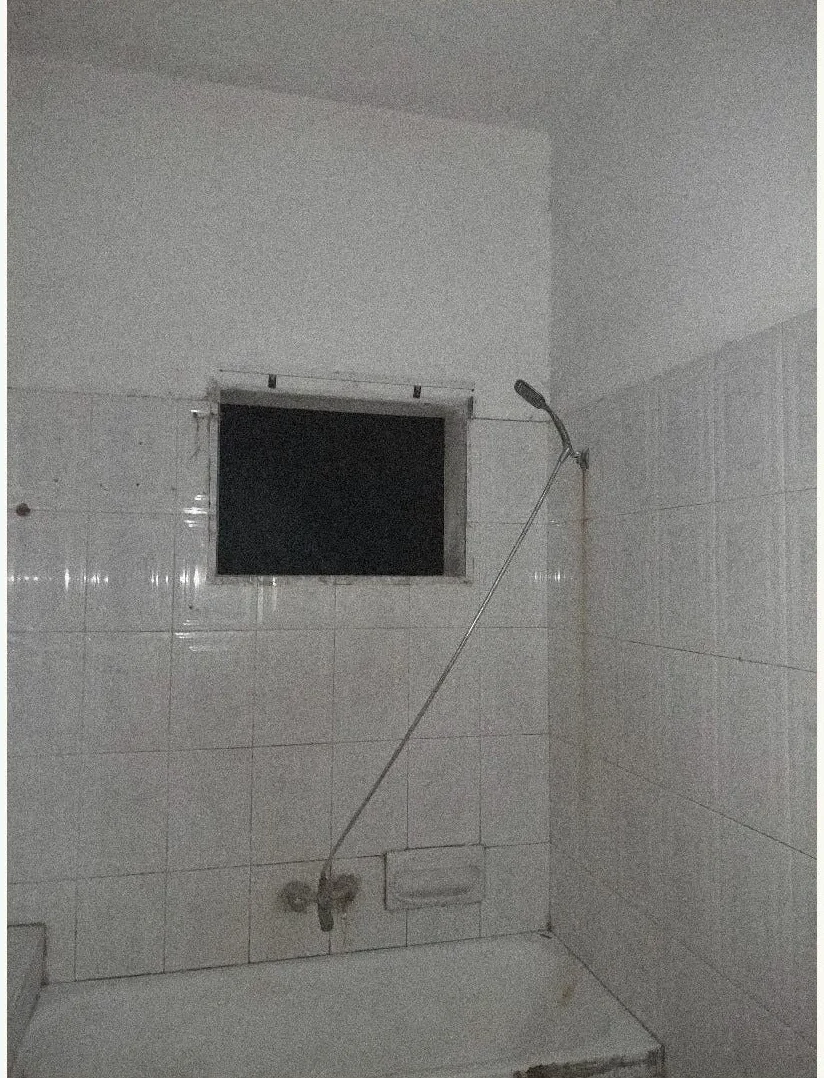
More recently, with the help of people who stood beside us, I was able to rent a small home for my family. After years of living in tents and being displaced, having a small home again meant a great deal to us.”
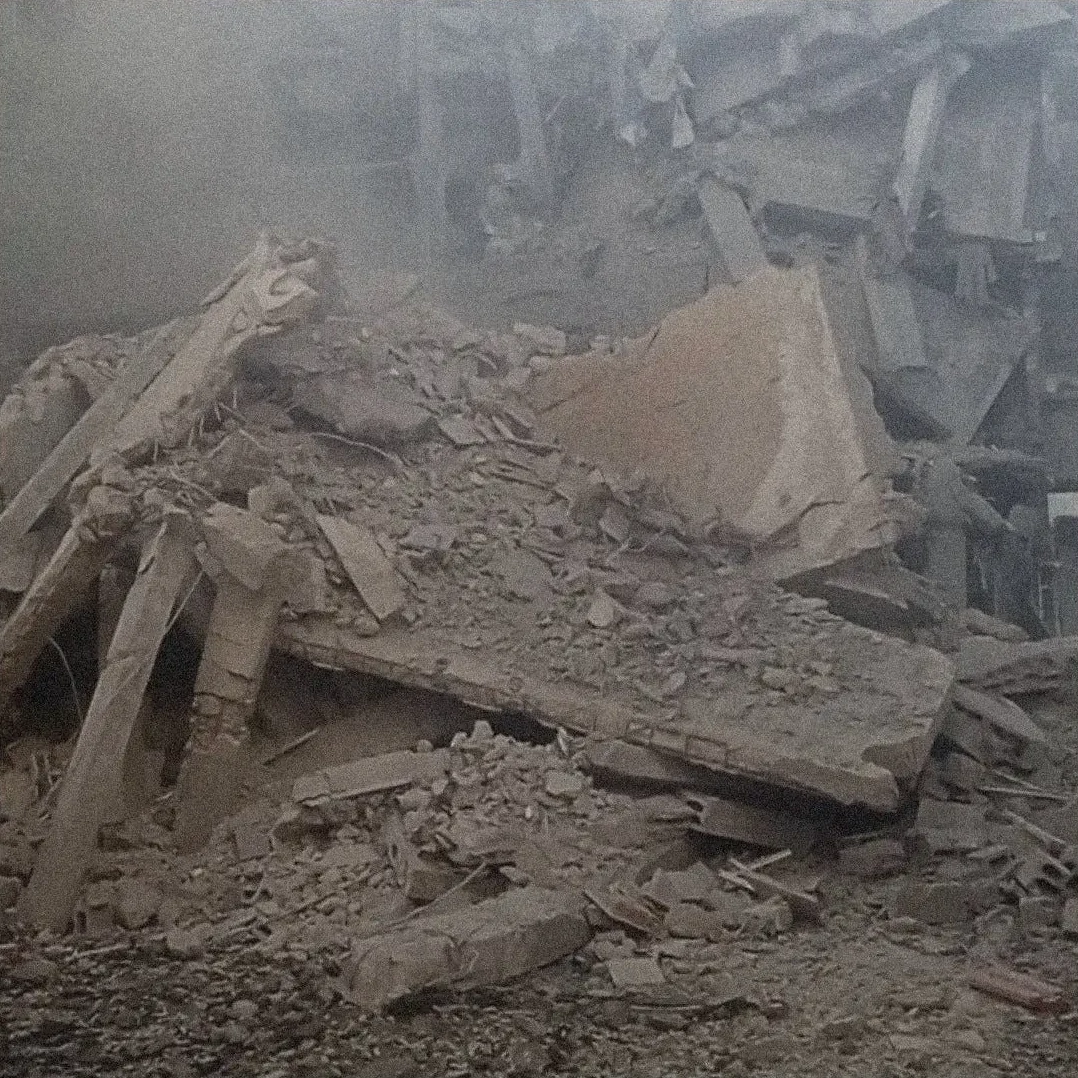
“And my joy was broken the day our home and my grandfather’s house were destroyed over our heads, and they all left, while only the memories remained as witnesses to the pain.
And my joy was broken the day we fled and were displaced again and again and again. without even taking what was left of our clothes and belongings, while the occupation destroyed everything.
Then I learned that war is not satisfied with destroying stone, but it destroys meaning as well. it steals the bright moments of life and postpones dreams to a notice that never comes.
And despite all of that, we still held onto each other the way a drowning person holds onto his last breath. We believe that joy, even if broken, will one day be restored, and that God never leaves patient hearts without healing, and that what was taken from us will return – if not a house of stone, then a house of peace and reassurance.”
You were born in 2004 and grew up through several wars. Is there anything about what you experienced that you still struggle to believe or process?
“I was born in 2004, and I had already lived through several wars in my life, perhaps around six, but I had never seen anything like what I have experienced since October 7, 2023.
Even today, I still struggle to believe that our home is gone, that my uncles and their children and daughters are gone, and that friends I used to see and speak to are no longer alive.
I never imagined that I would experience displacement, leave my home, live in tents, and move from one place to another searching for safety. These were things that did not exist in my understanding of life before the war.
I was just a young man going to school and university, spending time with my friends and family, and thinking about my future. Suddenly, my main concern became survival.
Even after all this time, there are moments when I stop and think about everything that happened, and it still feels impossible to understand. Losing our home, losing relatives and friends, displacement, tents, fear, bombing, and constantly searching for somewhere safe all happened within a very short period.
I do not feel that what we experienced was simply a war. To me, it was a catastrophe that changed my life and my family’s life forever.”
What was displacement like for you and your family?
“After that, we became displaced. For around two and a half years, we lived in tents and moved from one place to another because of repeated evacuation orders. We never had a real home or a sense of safety. We were constantly trying to find somewhere that might be a little safer. Our situation became unbearable. I swear there were days when we had almost nothing to eat. There were times when days passed without enough food. We struggled to find clean water, medicine, and even the basic things a family needs to survive. There were moments in my life that, when I think about them now, I still cannot believe we actually lived through them.”
Part three: The people who showed up
الجزء الثالث: الذين وقفوا معنا
How did you survive that? Who helped?
“At one point, I reached out to my friend Abood and told him honestly that our situation was beyond anything I could handle. I asked him to come and see how my family was living because I needed a solution. I felt like we were being destroyed and I didn’t know what else to do. Abood introduced me to his friend Jordan. I told her my entire story, and she did not turn away from me. She stood beside me and never abandoned me. She created a fundraising link for me, and since then, she has always been managing my campaign, standing by my side, sharing my story, and trying to make sure my voice reaches as many people as possible. Because of her support, I was able to provide food, water, and medicine for my family. I was also able to rent a small home for us. The rent is very high, but at least my family has had a roof over their heads instead of living in a tent. May God reward her for everything she has done and continues to do for me and my family.”
How did you and Abood become friends?
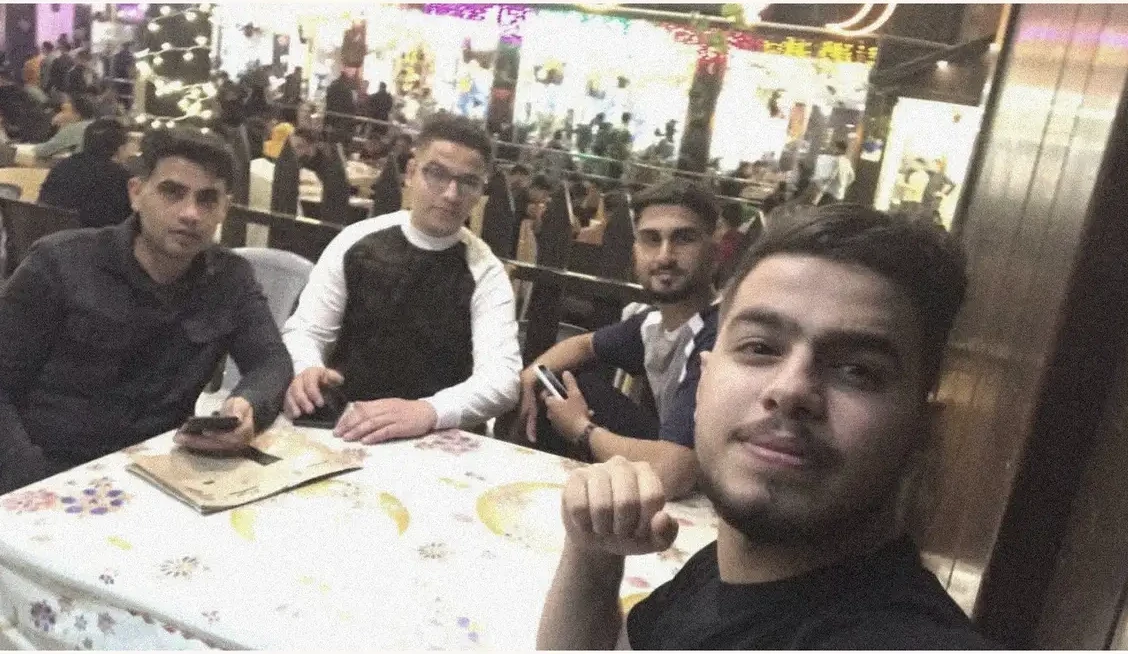
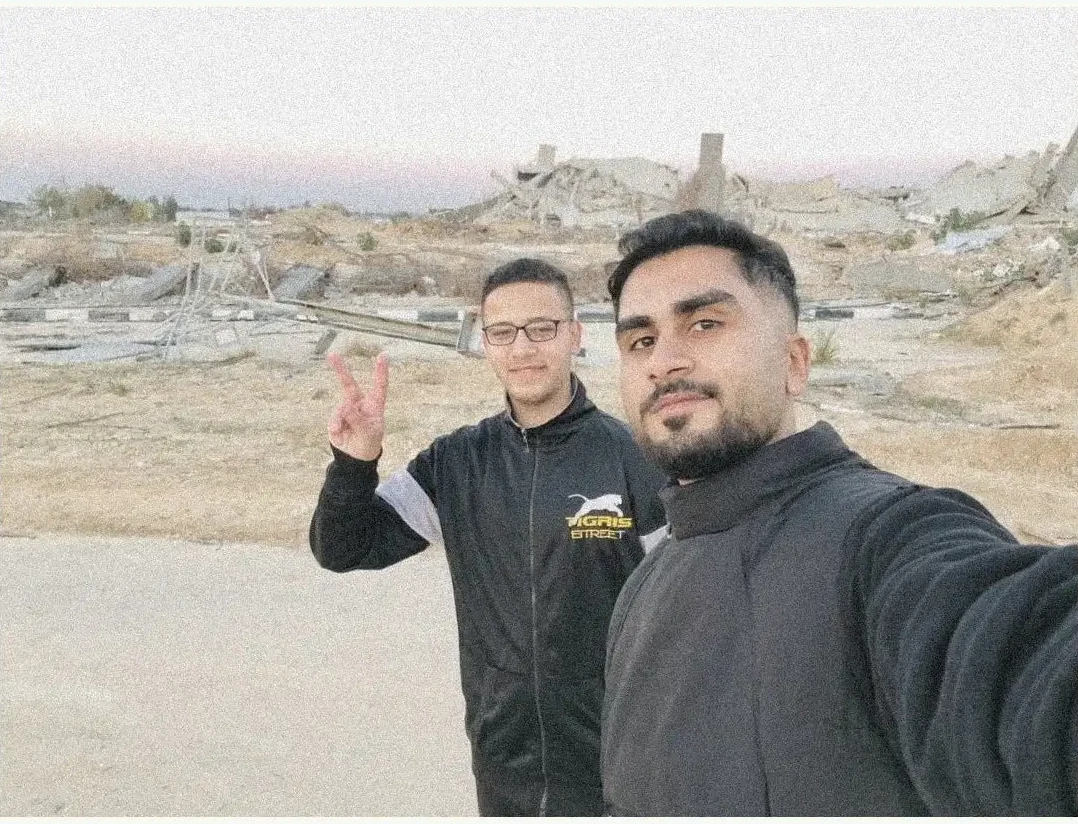
“Abood has been my friend for around ten years. I do not consider him just a friend; I consider him like a brother.
We became friends when we were in school, and we used to see each other almost every day. He is one year older than me. We later attended the same university, and we would go to university together and return home together.
Over the years, we shared so many everyday moments, conversations, experiences, and memories that our friendship became much deeper than an ordinary friendship.
After everything we have gone through during the war, that friendship has become even more meaningful to me. When someone has known you for ten years and has stood beside you through some of the hardest moments of your life, they become part of your family.”
Part four: Right now
الجزء الرابع: الآن
What is your situation right now?
“But recently, things have started becoming frightening again. Over the past six months, our situation has deteriorated badly. Many organizations have stopped operating or reduced their support. Many people who used to share our stories no longer do. Many people have stopped responding, and donations have become much harder to receive. I am terrified of returning to the situation we were in before. I know how difficult things have become for many people in the United States as well, especially with the changes under Trump and the economic pressure people are facing. I understand that everyone has their own struggles, and I am not asking anyone to ignore their own difficulties. I am simply asking people not to forget us.”
What does an ordinary day look like for you now?
“My days now are completely different from the life I had before the war.
When I wake up in the morning, one of my first tasks is getting water. I go and wait in line for salty water and fill what we need. After that, if I can make it to the community kitchen, I go there. If I cannot, I go to the market to see what is available and what I can afford to bring home for my family.
Then I return home, rest for a little while, and have lunch. Later, I go out again to collect fresh water for drinking. Carrying water and moving it from one place to another is physically exhausting, but it has become part of our daily routine.
Later, I sometimes go with Aboud to a café where we can access the internet. Staying connected is important to me because I need to communicate with people who support us and tell them about what we are experiencing.
Even when I am outside, I try not to go too far from my family. I need to remain close in case something urgent happens, such as bombing or another evacuation order.
Sometimes I think about how I used to go to university and live an ordinary life, and it is difficult to believe that this is now my daily reality.”
What do donations help you with?
“The donations I receive are not something extra or a luxury. They help me provide the basic necessities of life for my family.
I use the support to pay our rent, buy food and drinking water, and cover other basic daily needs. I am responsible for my family, so when support comes, it allows me to provide them with some stability and security.
Recently, however, donations have become very limited. Sometimes entire days pass without receiving a single donation, and that causes me a lot of anxiety because rent, food, and water are ongoing needs that cannot simply be postponed.
What worries me most is losing our rented home because I cannot afford the rent. After everything we experienced living in tents and being displaced, being able to rent a small home was a huge step for my family. I am afraid of having to return to a tent again.
Every donation, no matter how small, helps us keep this small piece of stability and continue meeting our basic needs.”
Give to Hamza's family on Spotfund
When Hamza read this article and gave his approval, he asked to add one more thing. He had never shared it before.
“I want to share something for the first time.
I have been wearing prescription glasses for 8 years. Before October 7, I used to change my glasses about every 6 months and have regular eye exams because my eyesight is weak and I need glasses to see clearly.
Before October 7, my father was planning to take me to Egypt to have laser eye surgery so I could finally get rid of my glasses, but then the war started, and everything changed.
The glasses I am wearing today are 3 years old. The left lens is scratched and cracked in several places, and the frame is barely holding together, but I still use them because I cannot afford a new pair.
My last eye examination showed that my vision was around 3 out of 6, and without my glasses, everything is blurry, as if the whole world is covered in fog in front of my eyes.”
“Sometimes I reach a point where I put my family’s basic needs before my own eyes and eyesight, even though I know I need a new eye examination and a new pair of glasses.
I am not sharing this to complain, but because for the first time, I decided to talk about something that affects me personally. During these years, I have become used to putting my family’s needs before my own, even if the cost is my health and comfort.
I only hope that one day I will be able to take care of myself the way I used to before the war.”
“We are not numbers, we are human beings.
We have hearts that are exhausted, and souls that have reached the edge of collapse.
Do not leave us alone. Do not stay silent about us. Do not let Gaza die twice. once from the war, and once from being forgotten.”
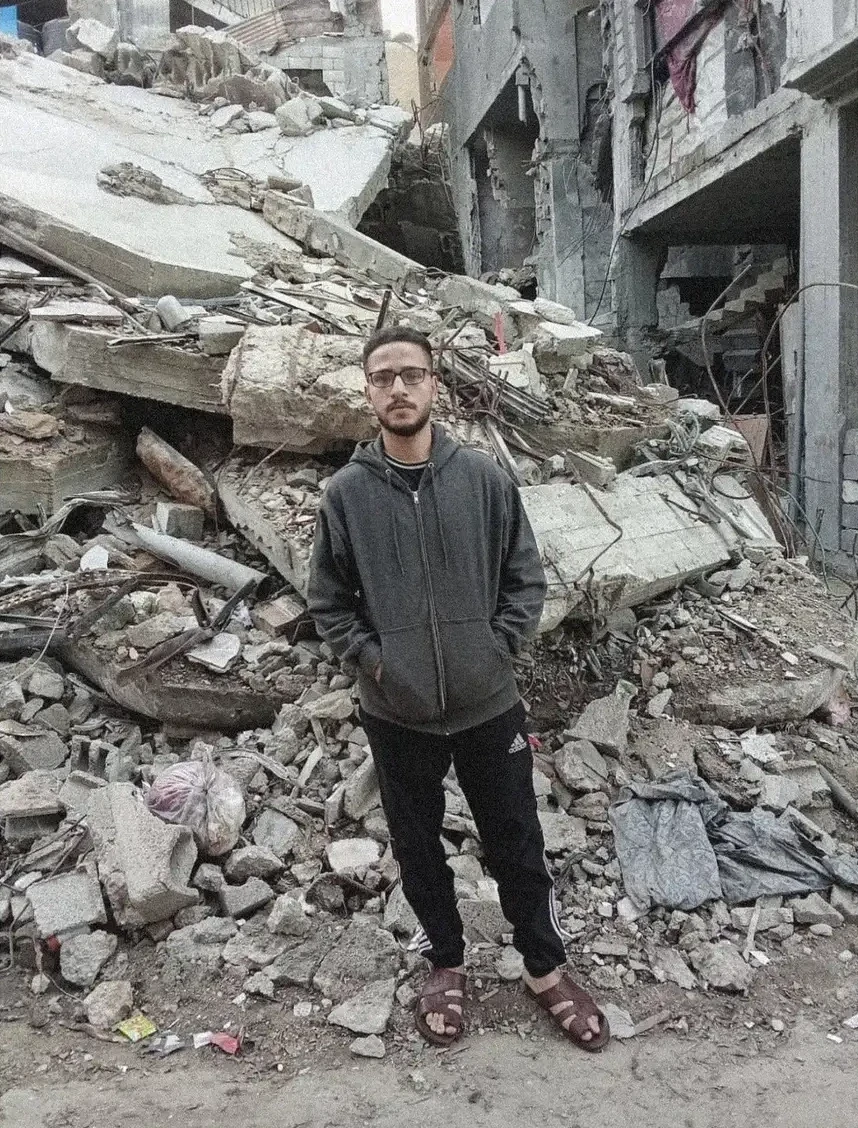
You post and share every single day, through sickness, through grief, through silence from the world. Why do you keep writing?
“I continue writing because if I keep everything I feel inside and never talk about what is happening to me, I feel like I will explode. I am living these things every day. I see the pain, fear, and loss around me, and I cannot simply keep it all inside and pretend nothing happened.
Writing has become a way for me to release some of what is inside me and to make my voice, and my family’s voice, heard.
I know that many people see what I write and may not care or may not know what they can do. Sometimes that hurts. But I refuse to give up.
There are people who do listen and who have stood beside me, and that gives me a reason to continue. Even if nobody were listening, I would still speak, because these are things I see and experience every single day.
I want people to understand that behind every photograph or post from Gaza is a real person, a family, a story, and dreams that have been changed by war.
I also want people to understand something about our people: even when we are exhausted and broken, we continue trying to stand and survive. Resilience does not mean that I never get tired or never break down. It means that despite everything, I still wake up every morning, take care of my family, and try to continue living and dreaming about a better future.”
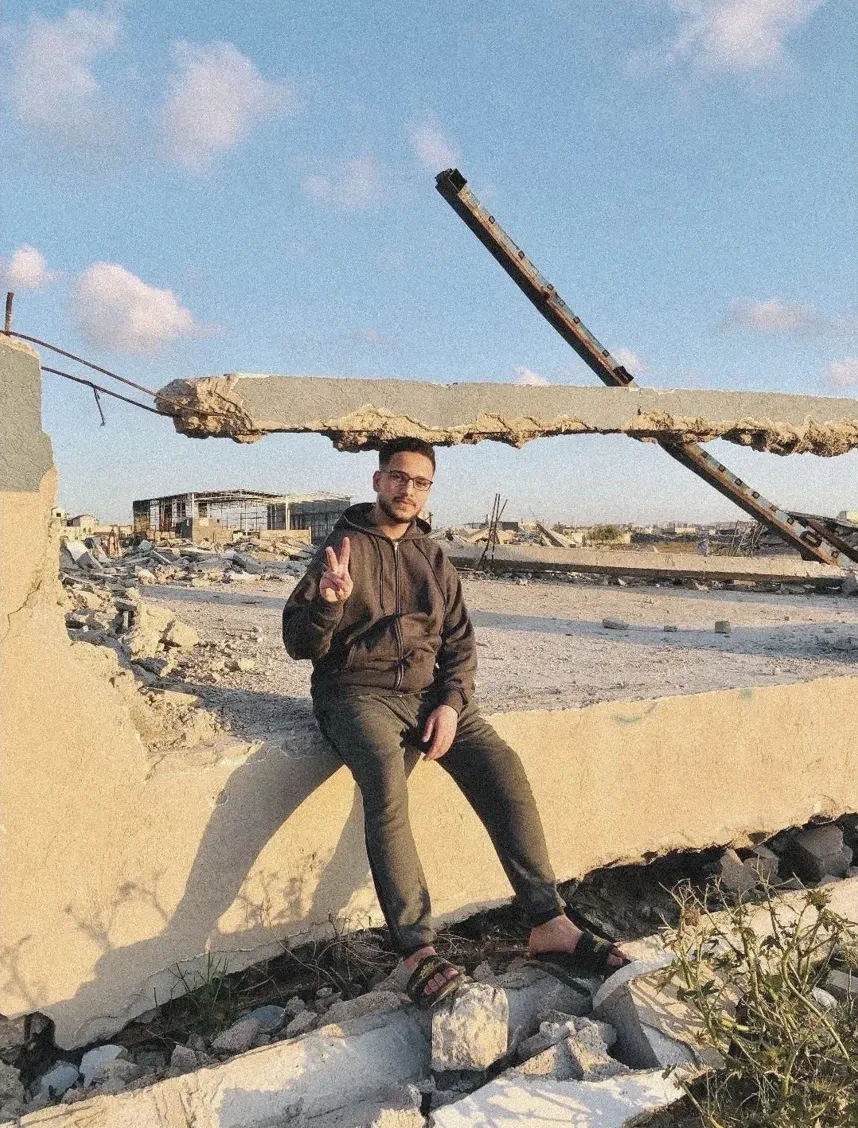
What do you want people to know about you?
“My family is still here. We still need food, water, medicine, and a safe place to live. I am still trying to protect my family while also trying to rebuild the education and future that the war took away from me. I had dreams before the war. I wanted to finish my degree in Accounting, build a future, work, support my family, and live a normal life. I never imagined that at my age I would be worrying every day about whether my family would have enough food or whether we could afford our rent. I don’t want people to see me only as someone asking for donations. I want them to know who I am, where I came from, what I dreamed of becoming, and what happened to my family.”
Part five: The future
الجزء الخامس: المستقبل
Do you still dream of completing your accounting studies?
“Yes. I still want to complete my accounting degree, and that dream has not changed despite everything that has happened.
I want to continue in the same field I chose before the war, graduate, and build a future that I can be proud of.
But studying in Gaza has become extremely difficult. Universities have been destroyed or severely damaged, and education has been disrupted on a massive scale.
That is why I hope to leave Gaza so that I can have a real opportunity to return to my education and rebuild my life.
I do not want to leave simply to escape the war. I want to leave so I can study, work, build a future, support my family, and finally experience a normal and stable life.
After years of fear and destruction, I want the chance to live like any other young person my age. I want to return to studying instead of spending my days thinking about water, food, displacement, and survival.”
Know a scholarship or program for students from Gaza? Email hello@pathwaysforgaza.org.
If you could choose what your future life and home would look like, what would you wish for?
“My dream right now is very simple: I want this brutal war to end, and I want my family and me to survive it together.
I hope that one day we can all leave Gaza and start again somewhere safe. I imagine us living together in a peaceful home, where my younger brothers and sisters can go to school every morning without knowing the fear and displacement that have shaped our lives.
I want my older siblings and me to continue our education, find work, and help one another and our parents.
I do not dream of a luxurious life. I dream of a normal life: a safe home, education, work, food, rest, and the ability to sit with my family without worrying that bombing or evacuation could happen at any moment.
I want us to have the chance to recover the simple, beautiful days that the war took from us.”
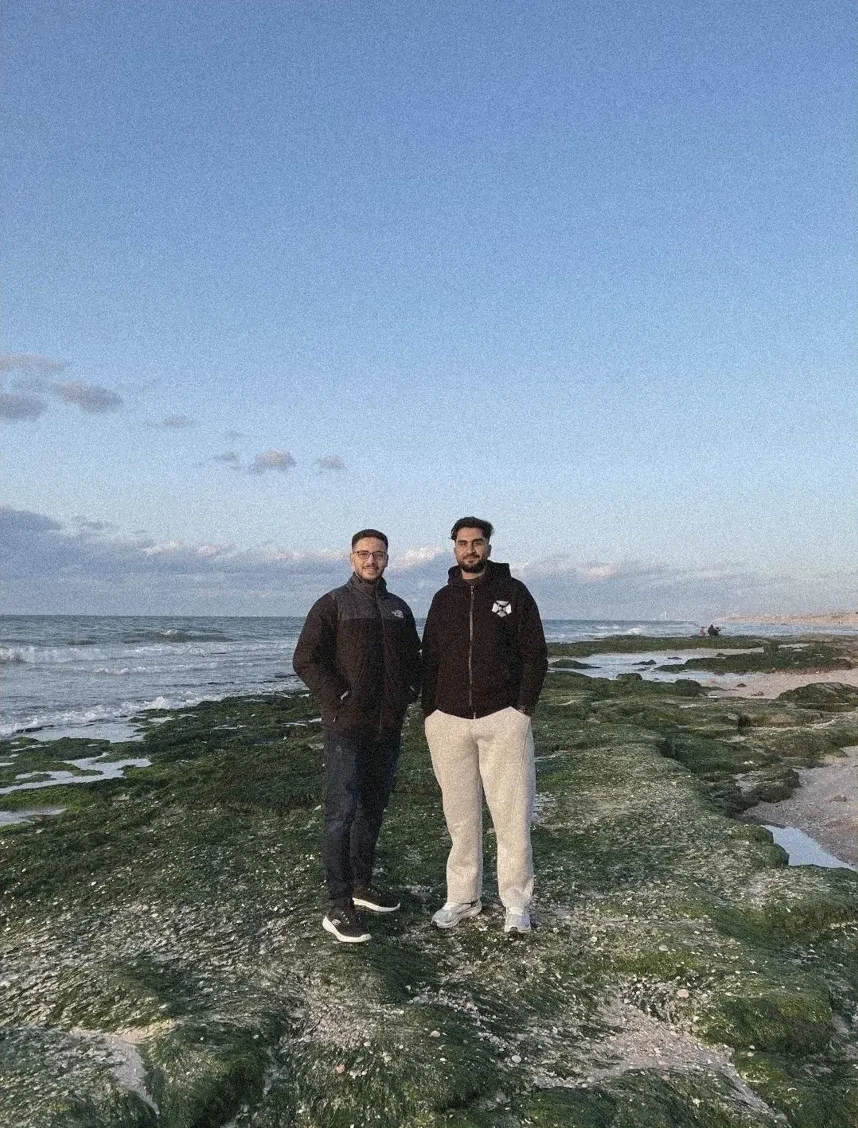
What do you want people, especially people in America, to do beyond donating or sharing your story?
“I want every person who reads my story, especially people in America, to remember that I am not a number or just another story from among the more than two million people in Gaza.
I am your brother. I am someone’s son. I am a young man who had dreams, education, friends, and a family before the war changed everything.
I want people not to forget Gaza or become numb to the suffering they see. If you can speak, speak. If you can raise your voice, raise it. Learn about what is happening, talk to the people around you, ask questions, and do not allow silence to make people’s suffering invisible.
I want people in America to remember that what happens here is not just a story on a phone screen. We are human beings who want the same basic things everyone wants: safety, education, a home, a future for our children, and a dignified life.
I do not want people to look at me with pity. I want them to look at me as a human being who has the same right to live with dignity as anyone else.”
Is there anything else you would like to say directly to everyone who reads your story?
“If you have reached the end of my story, you now know a small part of my life. But no matter how much I write, I could never fit everything I have lived through into a few pages.
I want you to imagine, for just a moment, waking up one day and discovering that your home is gone. Imagine learning that people you saw every day are no longer there, and that the place you once called home has become a place where you are simply trying to survive another day.
Imagine that things you once took for granted, like clean water, food, sleep, and safety, have become daily struggles.
That is my reality.
But I do not want the war to write the ending of my story. I still want to study. I still want to work. I still want to help my family and build a future.
If there is one thing I hope you take with you after reading my story, it is this: please do not allow suffering to become normal.
Do not become so accustomed to seeing destruction and death that you simply scroll past it.
I do not know where I will be a year from now, or what the future will bring. But I know that I will keep trying.
Because I still want to live the life I was denied, and I still want to turn all of this pain into a new beginning rather than an ending.
I hope you remember me not only as someone who survived a war, but as a young man who continued to hold onto his dreams despite everything.”
Sam's close
خاتمة سام
“Thank you for believing that my story is worth telling. That means more to me than I can explain.”
That’s the last thing Hamza said to me when he first shared his story. I want to flip it. Thank you, Hamza, for trusting me with your vulnerability and courage to share.